Designing long-term implantable electrochemical glucose sensors is full of trade-offs.
Iterating a design in-silico can be immensely helpful but requires robust inputs, and long-term in-vitro ageing data for enzyme-based glucose sensors is surprisingly limited.
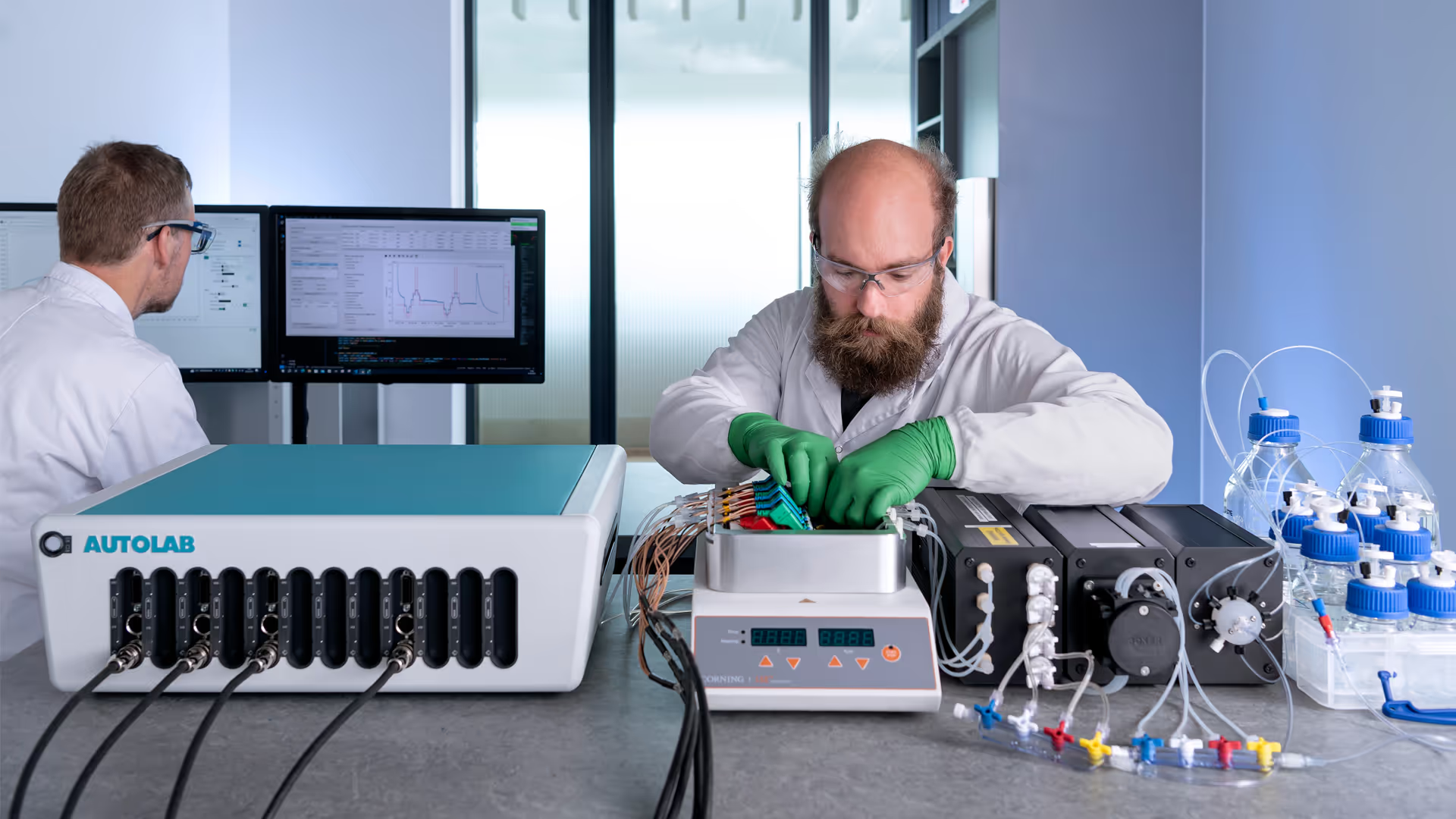
So TTP, in collaboration with our client Glucotrack, measured the performance of variants of Glucotrack’s glucose oxidase-based electrochemical sensors over 12 months under controlled ageing conditions.
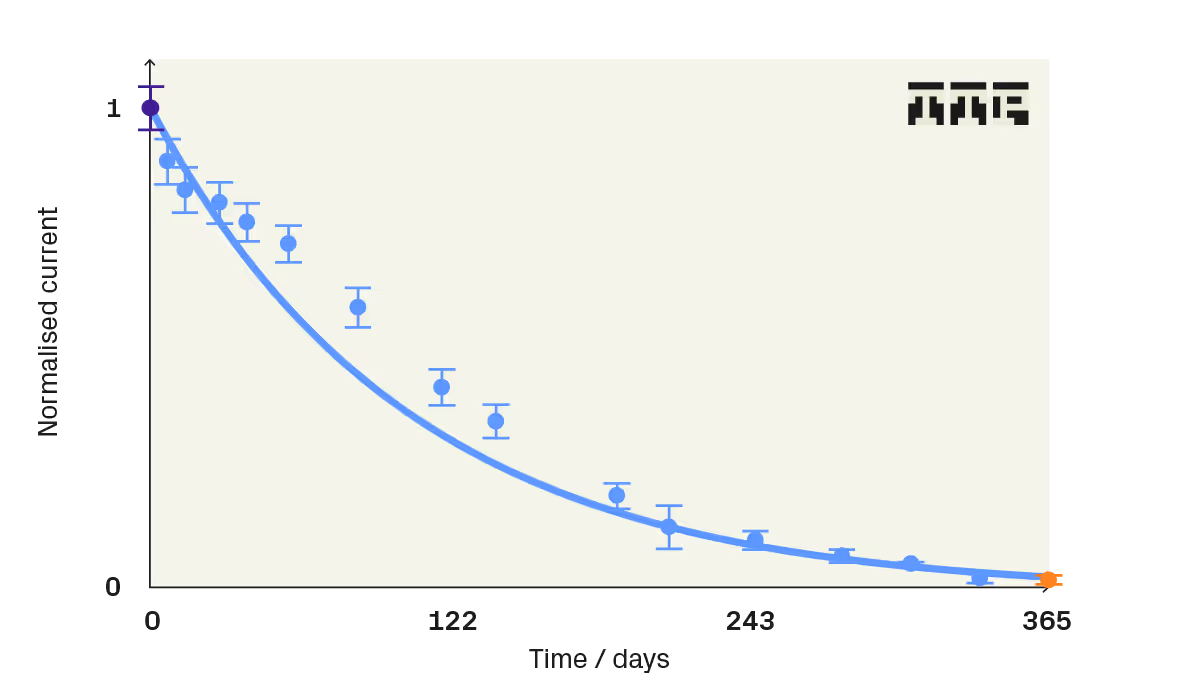
As illustrated in the graph below, TTP measured the rate of enzyme deactivation in a model continuous blood glucose monitor (CBGM) sensor, which was specifically designed to be sensitive to enzyme concentration. Data shows feasibility for long-lived implantable CGMs, with intelligent design trade-offs and optimisation.
Two findings stand out:
- Enzyme activity decays with a measured half-life of 75 days when glucose oxidase is maintained in an oxidised state, and as low as 4 hours when driven into reduced or peroxide-complexed states.
- Response time increases with age, suggesting glucose must diffuse further into the enzyme layer as active enzyme becomes inactivated near the surface.
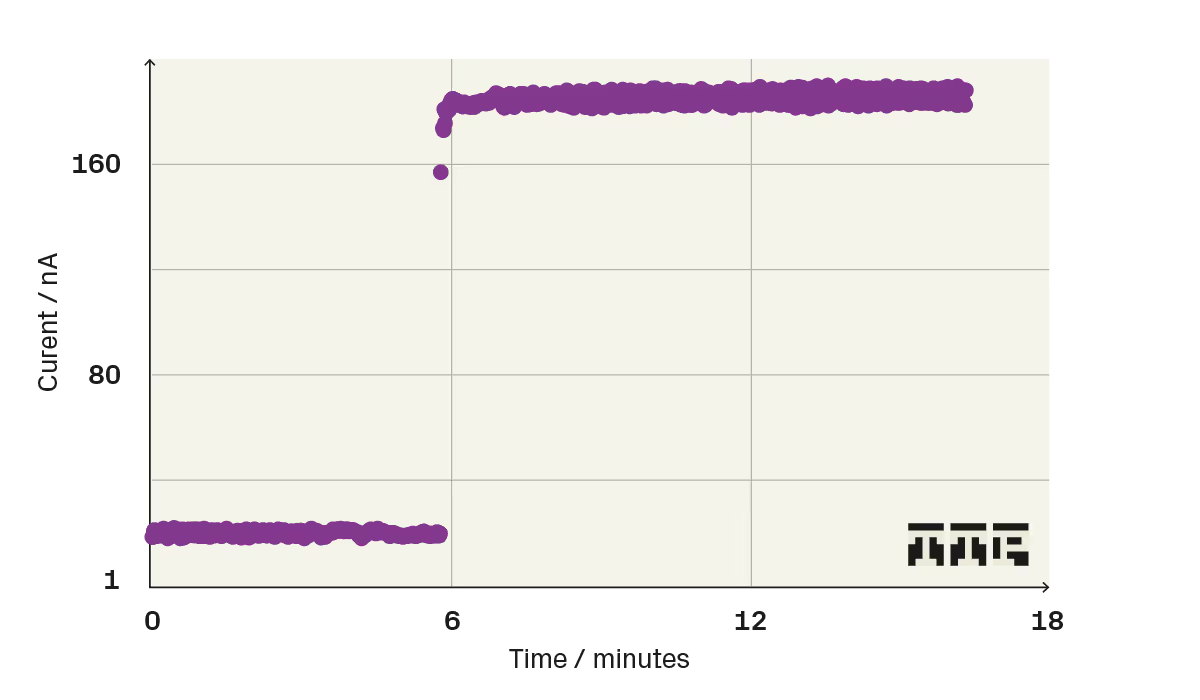
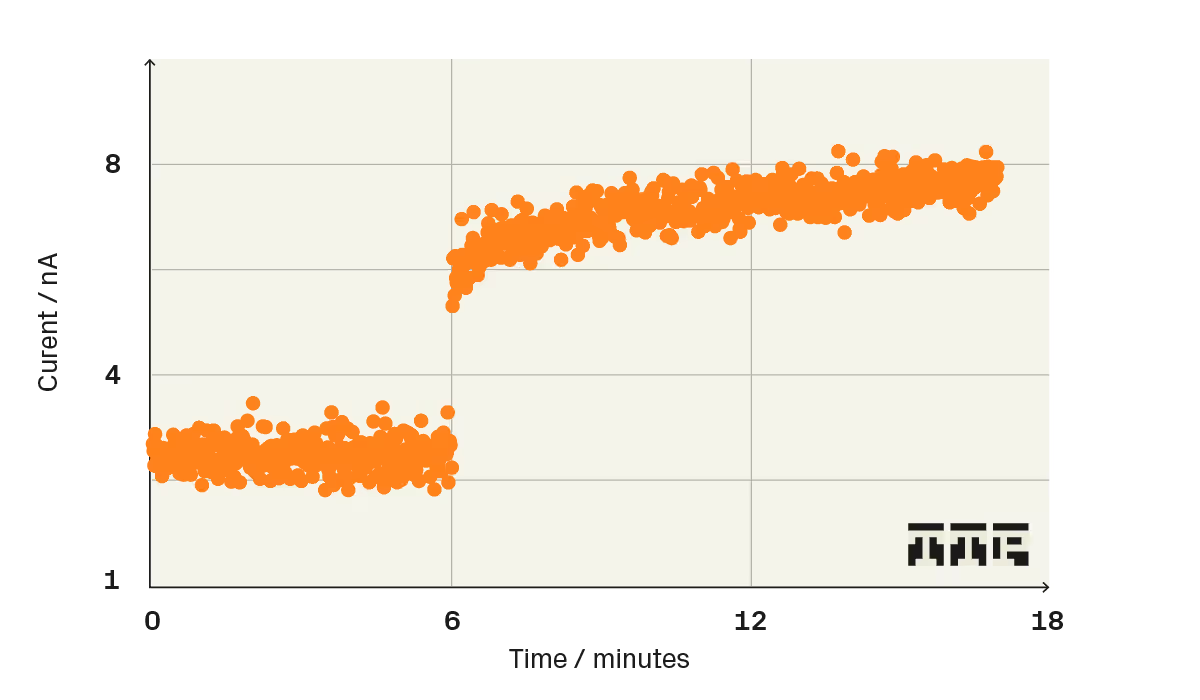
Below, the first graph shows the measurement at the start of the experiment, where the sensor shows a large response to a glucose step and a fast rise time. The second graph shows the same measurement after 364 days. At the end of the experiment, the signal is depleted due to enzyme deactivation. The rise time increases as glucose must diffuse further into the sensor to reach active enzyme.
For R&D teams involved in CGM sensor development, the implications are clear:
- Sensor lifetime isn’t just an enzyme stability problem, but also about starting with the right loading, and keeping the enzyme in the right chemical state.
- Membrane design, thickness, and enzyme loading increasingly dominate performance over time, and there are trade-offs in every direction.
- Long-lived implantable CGMs are feasible, but only with system-level design choices informed by long-term data.
Read the full report
For more information about this study, read the full scientific report here:
Year-Long Measurement of Glucose Oxidase Deactivation in Electrochemical Glucose Sensors
About TTP’s Biosensing team
TTP’s biosensor device development specialists focus on creating advanced wearable and implantable devices, bringing together multidisciplinary expertise to deliver bespoke solutions for the most demanding requirements.
From exploring new frontiers to advancing your next breakthrough or accelerating your route to market, we tackle complex technical challenges with scientific and engineering discipline. We identify and mitigate risks early, ensuring outcomes that are both high-impact and centred on the needs of end users. When internal capacity is limited, TTP has the resources and know-how to step in and deliver.