Rethinking regulatory compliance in medical devices
Turning regulatory demands into development strengths
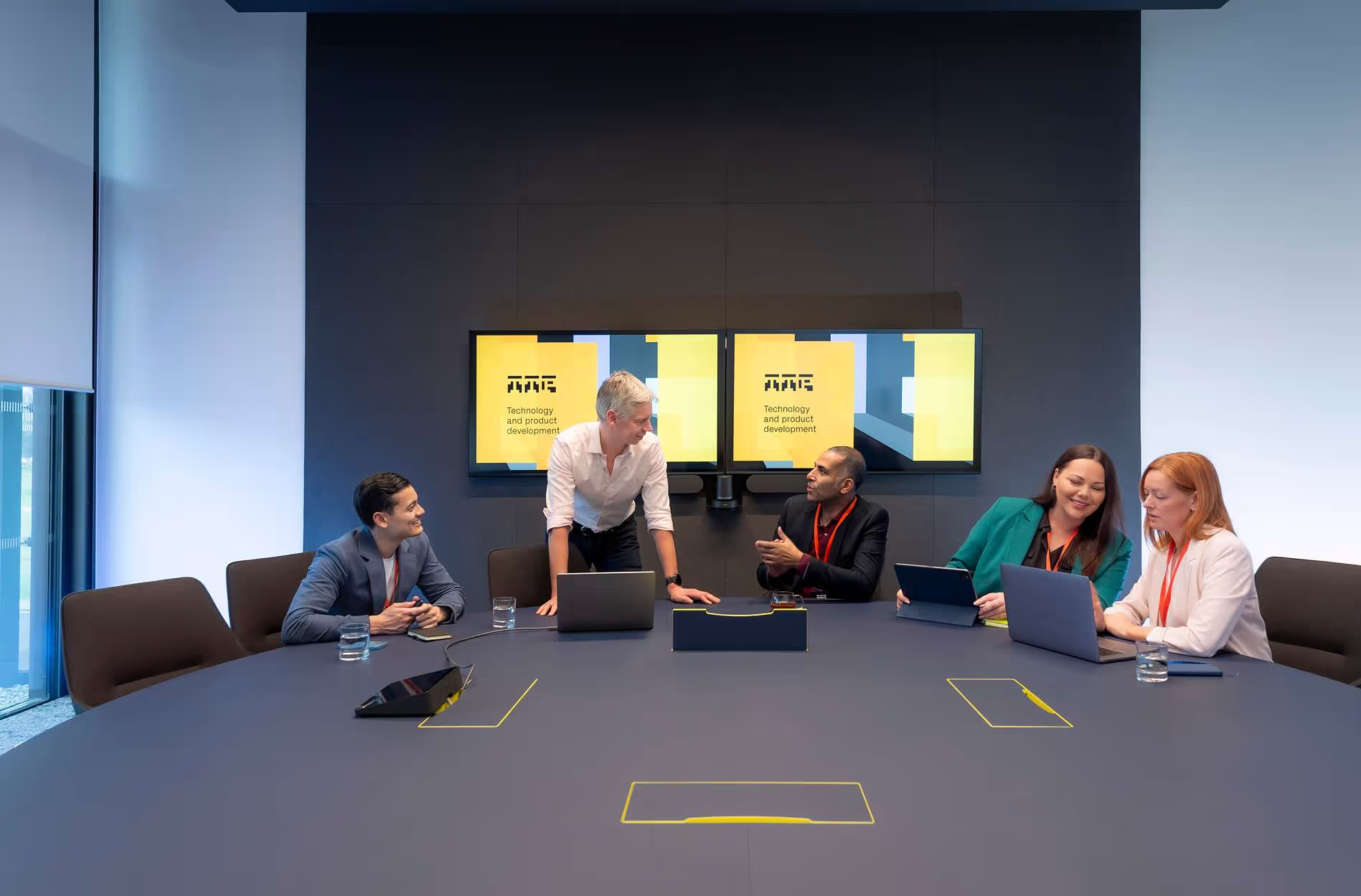
For Class III wearables and implantables, “doing the regulatory bit” is never just paperwork. It shapes what you build, how you test it, and how quickly you can move from feasibility to first-in-human studies and, eventually, commercial launch.
Treat compliance as a late-stage hurdle and you risk surprise reclassification, missed standards, and expensive redesigns. Treat it as a design tool, and it becomes a way to sharpen priorities, keep programmes on track, and give investors, internal stakeholders, and regulators confidence in every milestone.

TTP’s Biosensing team shows how integrating regulatory thinking from the outset turns compliance into a strategic advantage across concept development, system architecture, verification, and manufacturing for clinical studies. Read more
Getting started: finding the right standards, not drowning in them
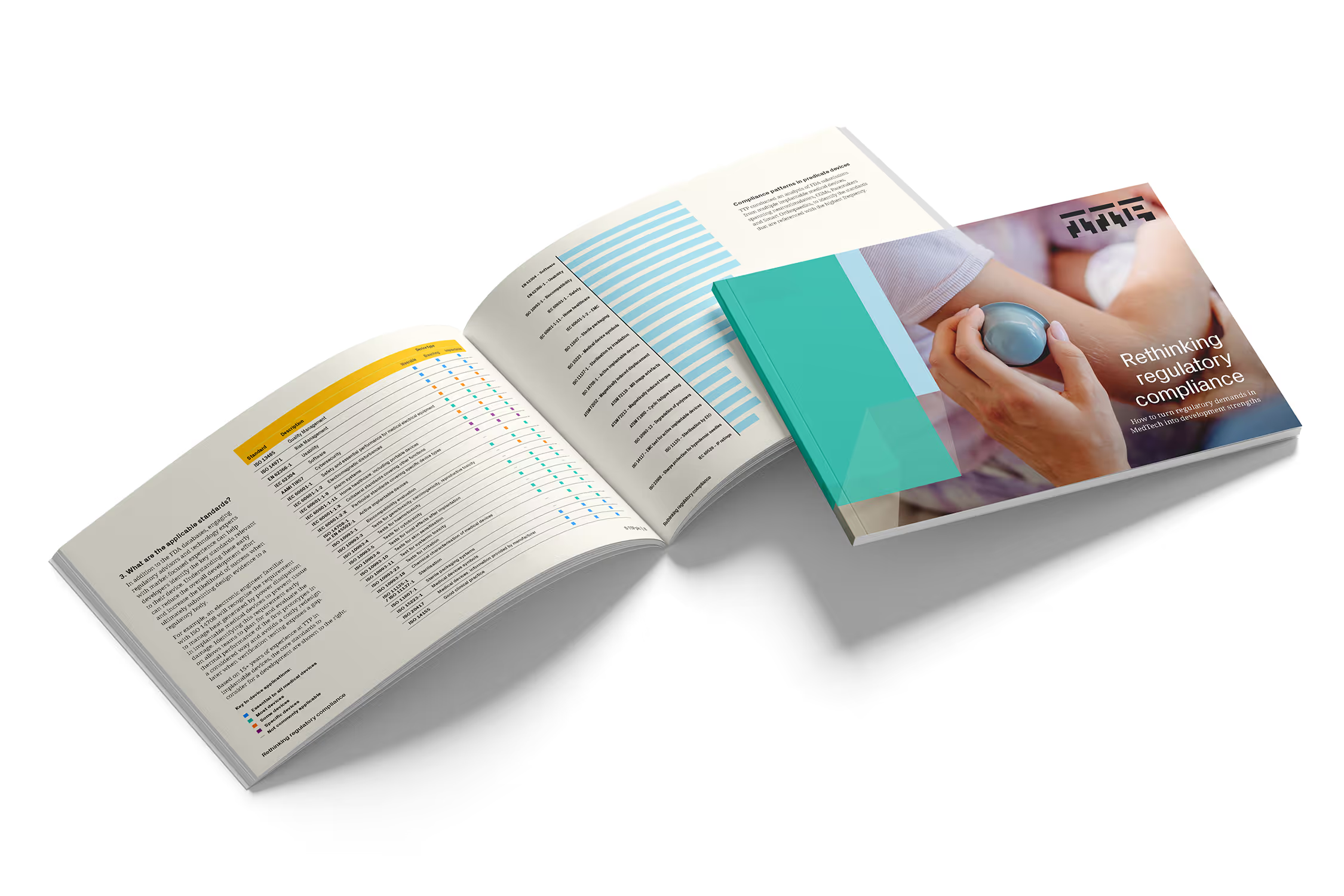
Before you can plan a credible development path, you need clarity on what standards actually apply to your device. We explain how to cut through the noise by using FDA databases, ISO and IEC frameworks, and comparable devices to identify the key standards that matter for your indication, risk class, and route to market. We show how to use existing submissions to benchmark expectations for testing, clinical evidence and manufacturing scale, so you’re not guessing the scope of compliance. Instead of treating standards as an ever-growing checklist, we frame them as inputs to realistic timelines, budgets and investment cases. The aim is to rapidly move from “we know regulation is important” to “we know which regulations matter, why, and what they mean for our plan.”
Design and architecture: avoiding late-stage compliance surprises
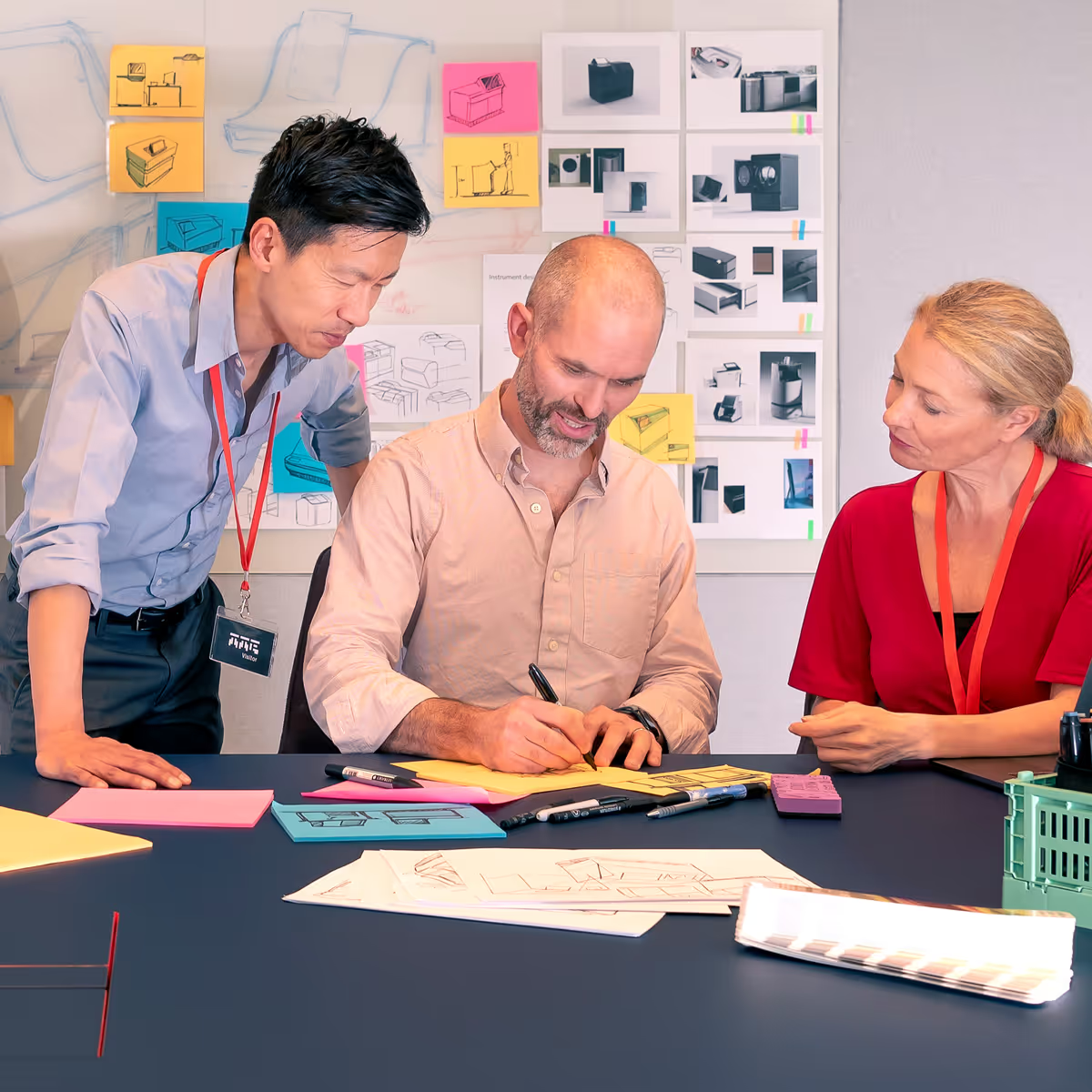
Once you are familiar with the regulatory landscape, the next challenge is designing concepts and system architectures that stand up to it. We look at how light-touch risk analysis, grounded in ISO 14971, can guide early choices on sensing, materials, sterilisation routes, electronics, cyber security and human factors, without paralysing progress. Rather than combing every clause in every standard at the outset, we focus on identifying the risks and requirements that genuinely shape your architecture. This helps teams bake safety into the design from day one, instead of discovering in verification that thermal limits, biocompatibility, usability or cleanliness requirements force a costly redesign. The result is a development path where evidence accumulates naturally as the design matures, and compliance effort stays proportionate to risk rather than spiralling late in the programme.
Clinical studies: deciding what “good enough” looks like at each stage
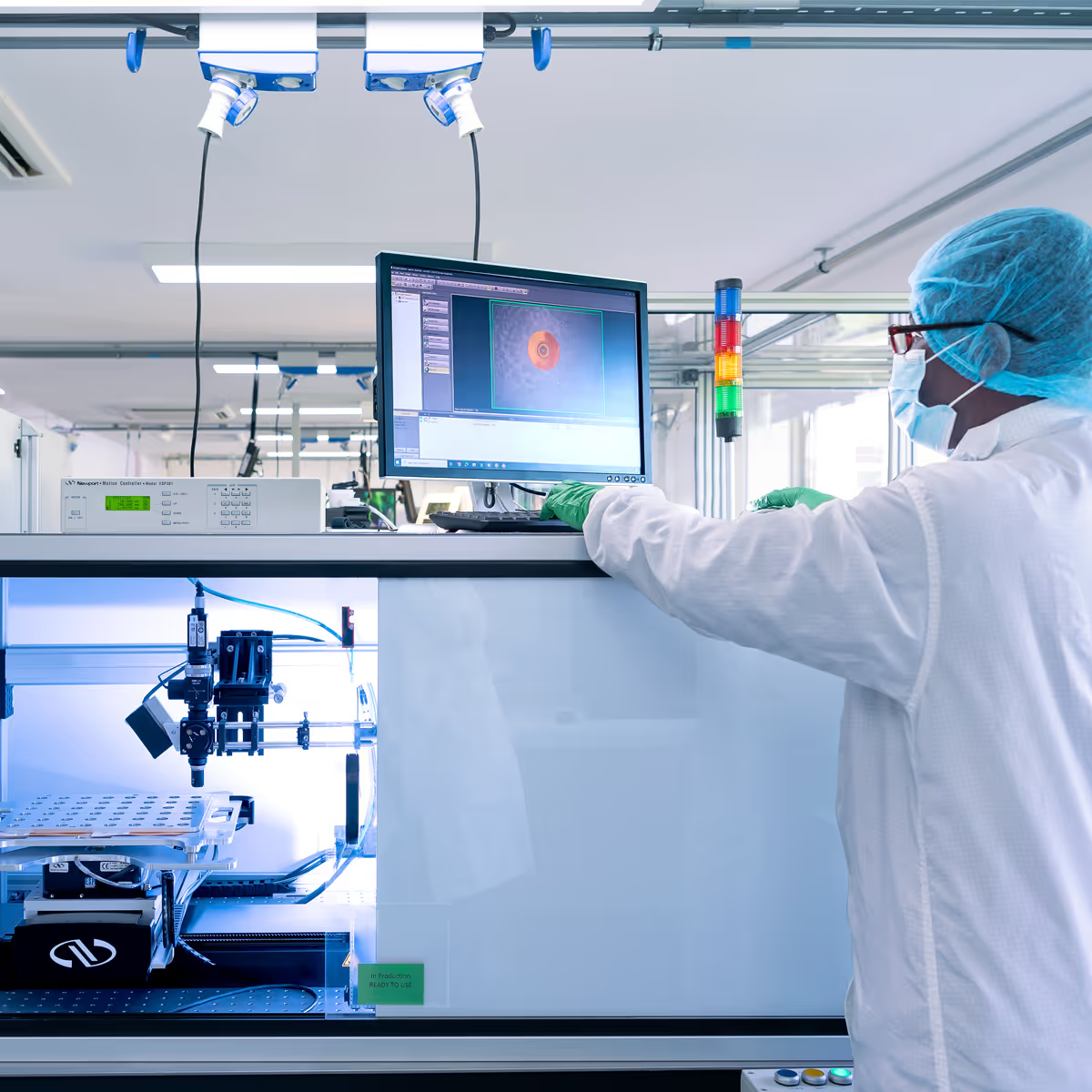
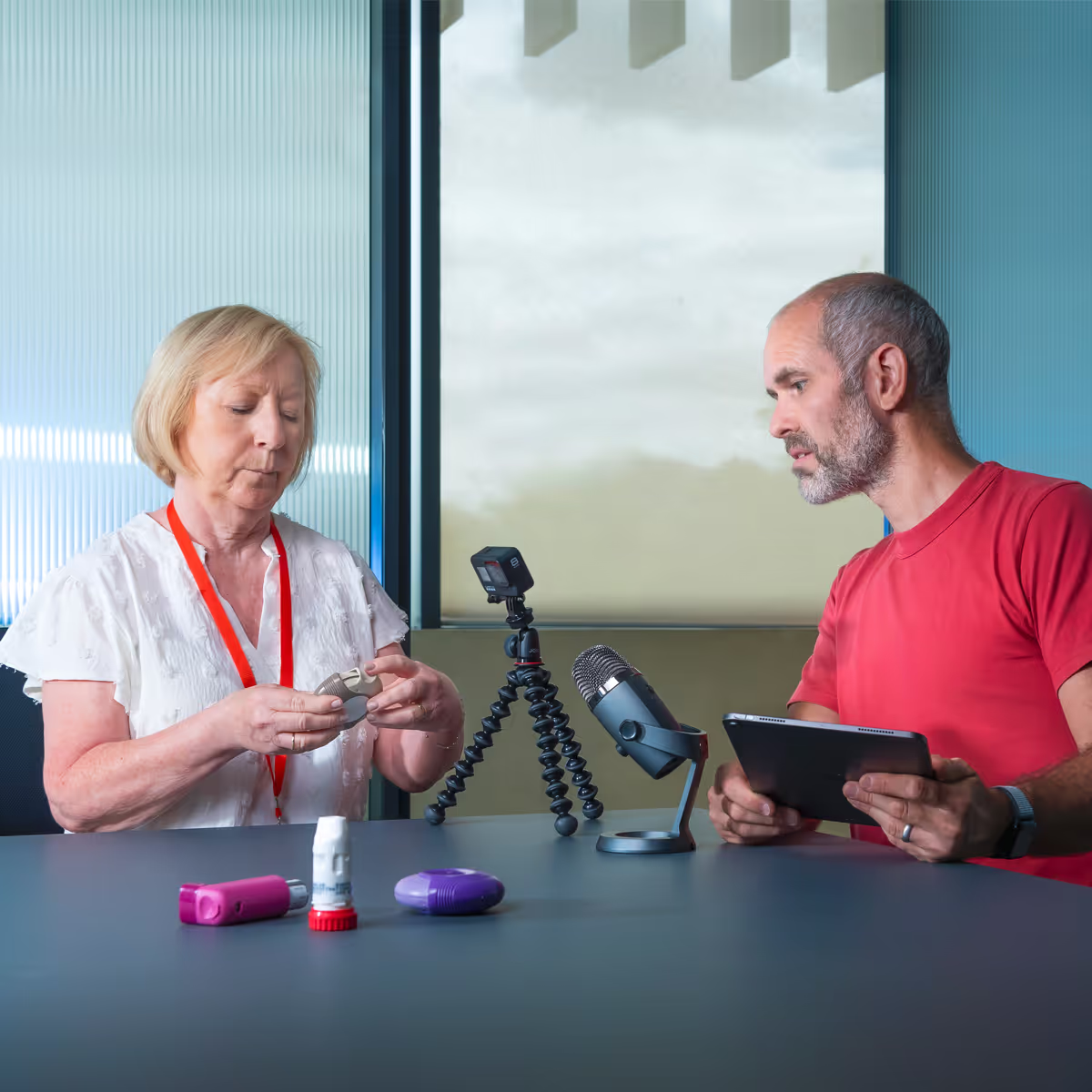
When you reach clinical studies, the question is no longer whether compliance matters, but how much is appropriate for this phase of development. We explore how structured risk management can distinguish critical-to-safety requirements that must be fully controlled for early feasibility from those that can sensibly be deferred to later iterations. This allows teams to define a “minimum viable” clinical device that is safe, traceable and meets regulatory requirements, without pinning down every aspect as if it were a final commercial product. We also cover how to right-size manufacturing controls, documentation and verification for clinical builds, so you maintain flexibility to iterate while still meeting ISO 13485 and study requirements. The goal is to help you avoid both extremes: over-building processes that slow learning, and under-building controls in a way that jeopardise trials, patients or future submissions.


Meet us at



Our areas of focus:
Medical Devices & Drug Delivery
Our approach and capabilities
We deliver across the entire life of a project, from opportunity discovery to production engineering. Discover how our interdisciplinary teams of experts collaborate to tackle the toughest product development challenges.

Our campus and facilities
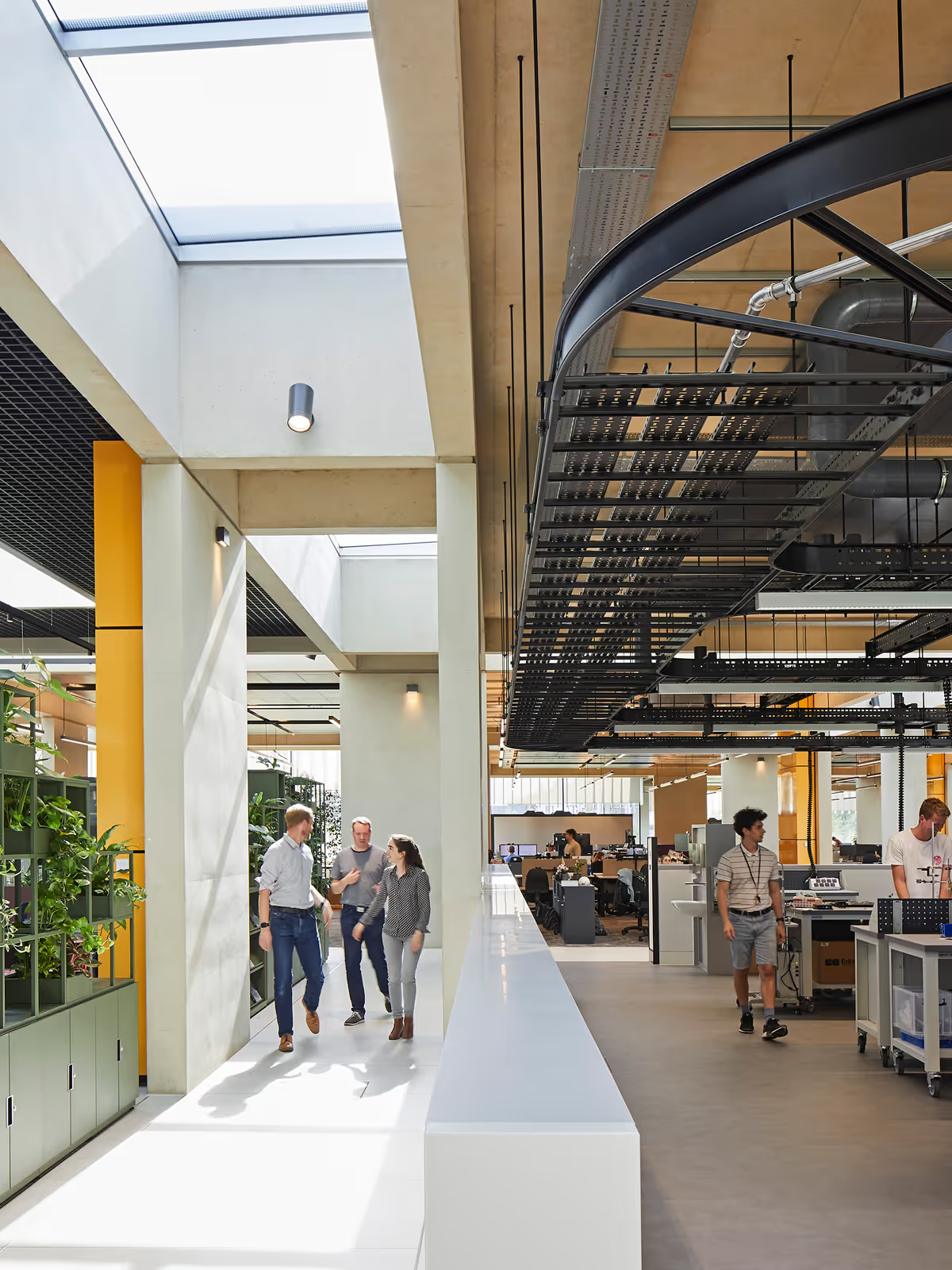
Our award-winning campus has been designed with a clear vision. To create space which can suport our people and our clients as we develop and deliver the very best technology solution.
Software capability at TTP
Engaged in all stages of software and product development, our software capability at TTP covers the full spectrum—from in-depth analysis and system architecture to prototype design, implementation, and test development.

Manufacturing capability at TTP
Working seamlessly with our development teams, we take clients' products through prototype builds, clinical trials, pilot manufacture and more. Using TTP Manufacturing reduces uncertainty, risk and time to market for our clients.

Meet some of the team
Talk to us about your next project
We help clients with all stages of their most complex and challenging technology and product development projects.
If you're considering the next steps along your innovation journey, why not get in touch?