In MedTech, breakthrough ideas don’t usually fail because they lack ambition, but fail when the real-world trade-offs aren’t fully understood.
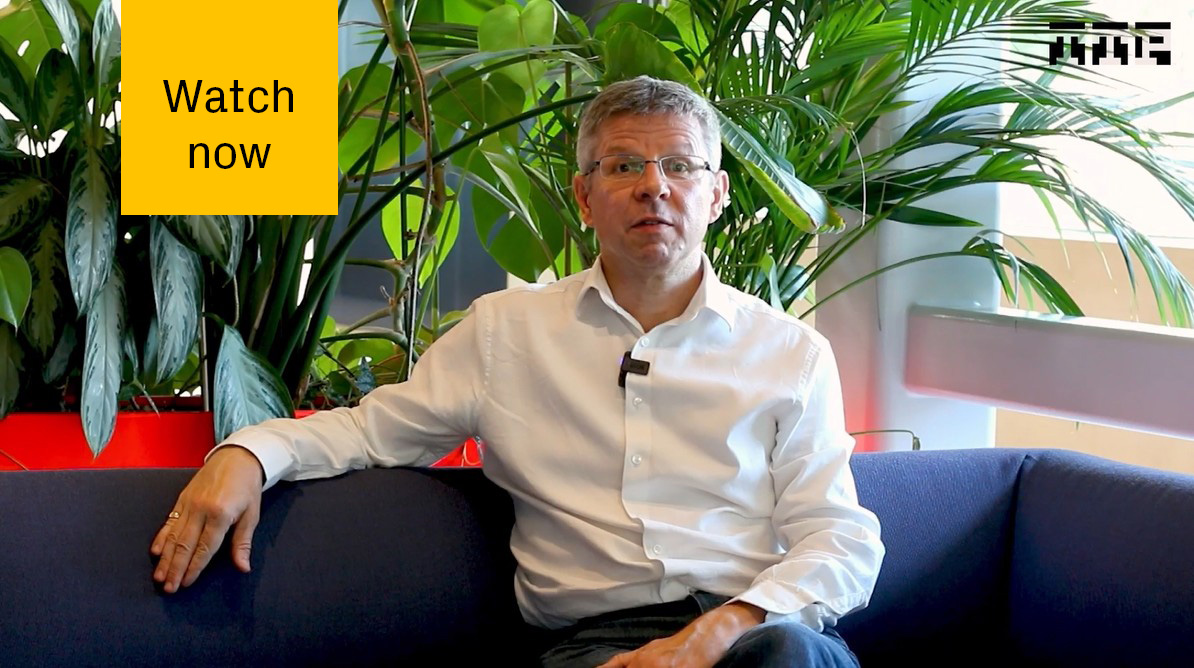
In this video, Paul Goode, CEO of Glucotrack, reflects on the realities of developing a truly novel implantable blood glucose monitoring device in a resource-constrained environment. From a fundamental question "how long can the sensor really last?" to wider decisions around design, production, cost and patient acceptance, every choice carries consequences.
When real-world testing wasn’t feasible, in-silico modelling became critical. By combining deep scientific rigour with a clear, methodical approach, TTP’s Biosensing team used modelling not just to predict sensor longevity, but to understand the trade-offs behind it, and ultimately open the door to extending device life.
Paul shares how this depth of scientific understanding, alongside strong engineering execution, helped shape confident decisions and define the next phase of development.
Watch the full video to hear Paul’s perspective on what really makes the difference when developing a complex, novel medical device.
Read more about our work with Glucotrack.
About TTP’s Biosensing team
TTP’s biosensor device development specialists focus on creating advanced wearable and implantable devices, bringing together multidisciplinary expertise to deliver bespoke solutions for the most demanding requirements.
From exploring new frontiers to advancing your next breakthrough or accelerating your route to market, we tackle complex technical challenges with scientific and engineering discipline. We identify and mitigate risks early, ensuring outcomes that are both high-impact and centred on the needs of end users. When internal capacity is limited, TTP has the resources and know-how to step in and deliver.
You can also read more about TTP's human factors consulting, software consulting, medical device manfucturing and medical device design expertise.
.avif)