Subscribe to stay up to date on the most pressing developments in medical device developments - scroll down to sign up.
How to make implants talk to smartphones, and keep the signal strong
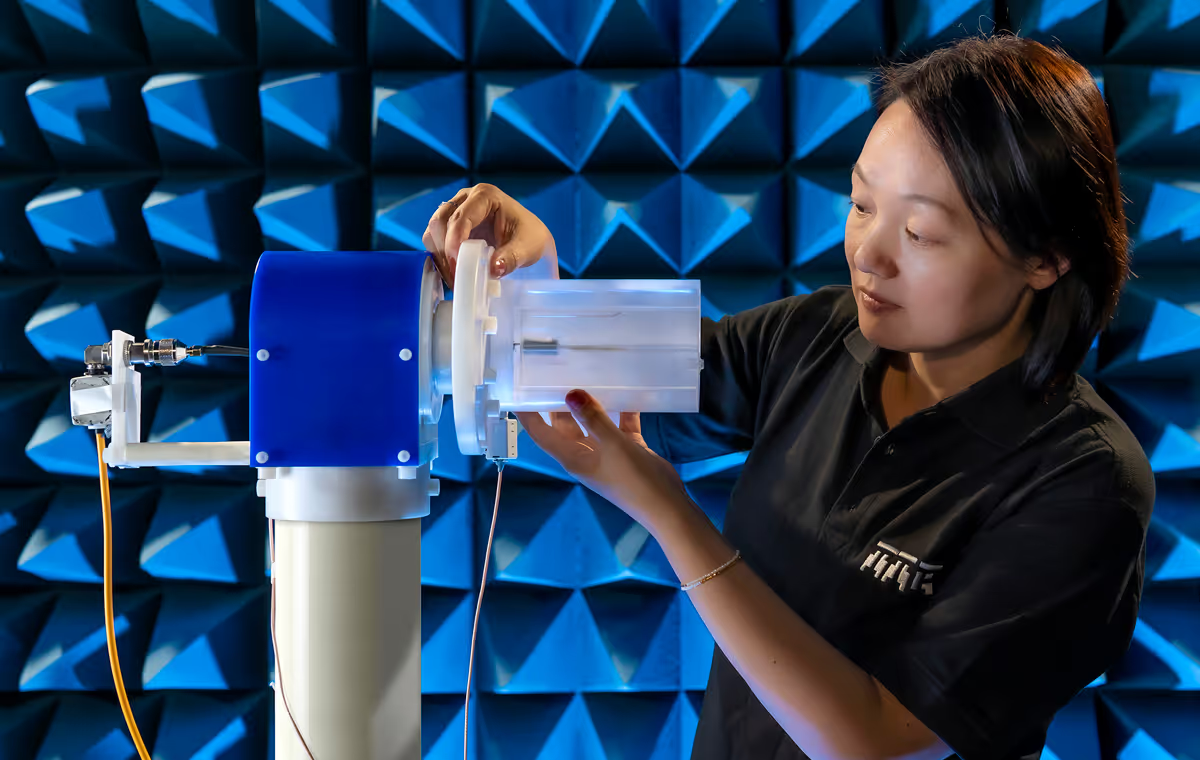
Human tissue blocks and distorts wireless signals, making a simple Bluetooth Low Energy (BLE) link between an implant and a smartphone far from simple. Achieving reliability takes a systems approach: antenna, enclosure, electronics, and testing - all engineered together.
Our Biosensing team shares lessons from real prototypes, showing how to de-risk active implant design through system-level thinking.
10 moderation mistakes that undermine user research in MedTech
In medical device development, user research is often where critical risks are uncovered - or missed. Moderation is a skill that shapes whether user research produces genuine insight or misleading noise. Without it, well-intentioned teams risk drawing the wrong conclusions.
This article outlines 10 common mistakes, from leading questions to talking too much, and shows how professional moderation can transform research into evidence you can rely on.

From hospital to home: making late-stage cancer care less painful
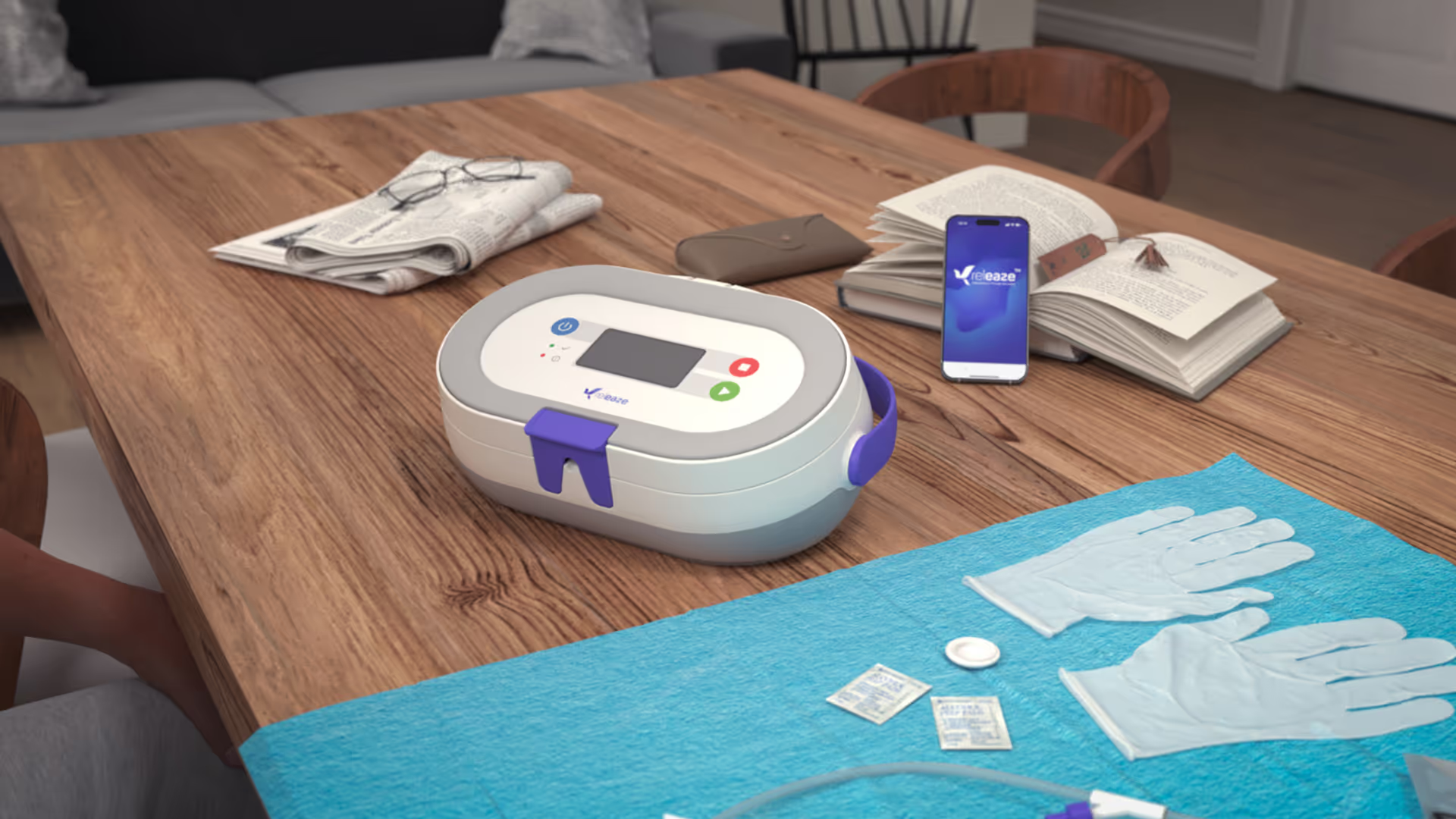
For patients with recurrent pleural effusion, conventional drainage often means painful, disruptive hospital visits. By applying electromechanical, controlled-pressure engineering and rigorous usability design, TTP and SymPhysis Medical created an at-home drainage system that makes treatment faster, safer and less burdensome. It highlights how advanced engineering can transform care delivery. As cancer treatment increasingly shifts into the home, such innovations will be vital to supporting quality of life in the most challenging stages.