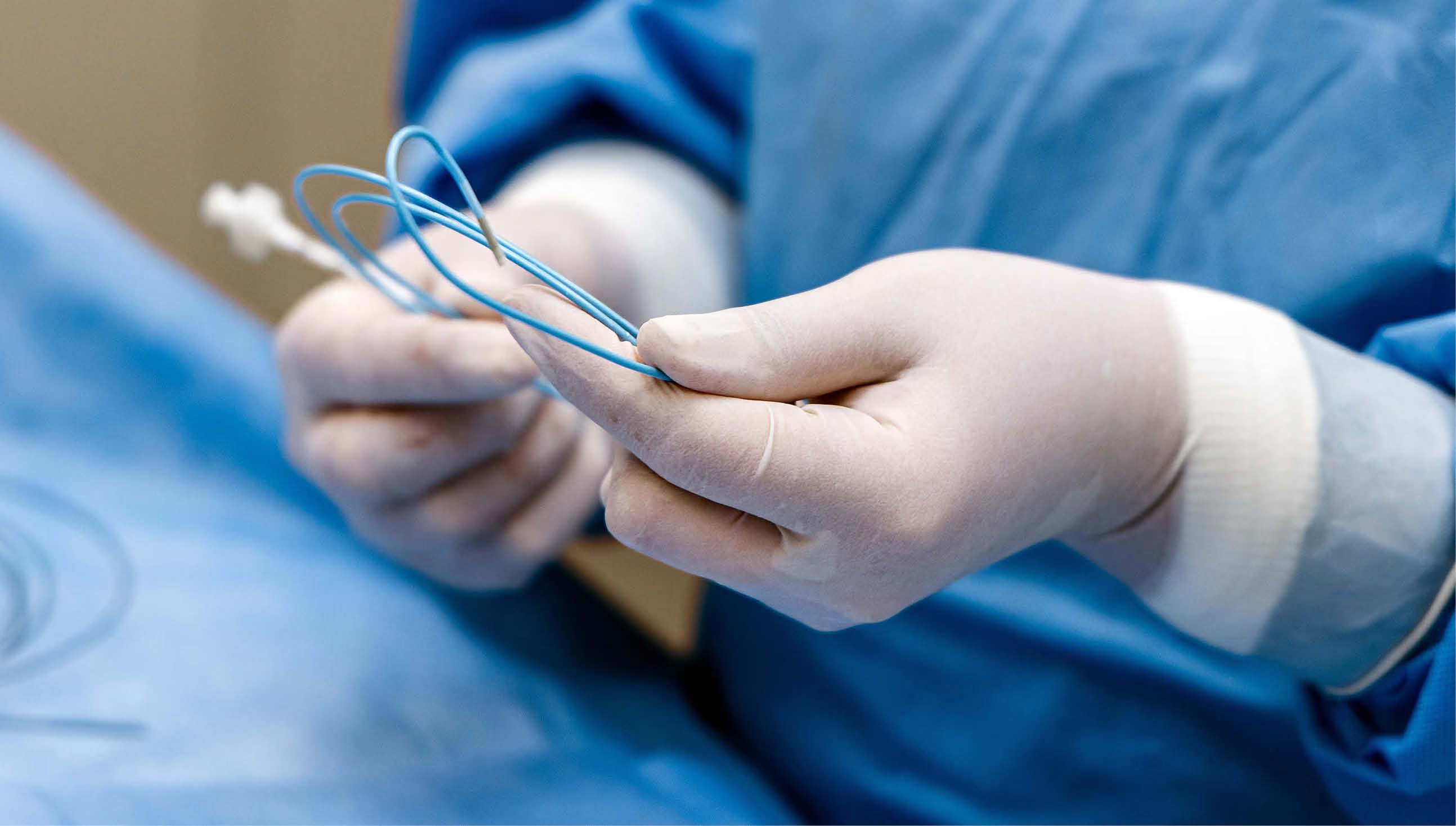
Adding a sensor to an existing medical device can introduce challenges that extend well beyond the sensing technology itself. From mechanical constraints and processing capabilities to clinical workflows and user interfaces, even a small sensor can have significant implications for the wider system.
Successful sensor integration depends on understanding how new functionality interacts with the existing device, its users and the wider clinical workflow. Considering these factors early helps inform design decisions and ensures new sensing capabilities address a meaningful clinical need.
Hear from Duncan Young, Product Design Consultant, and Catherine Wyman, Head of TTP's Advanced Surgical team, as they explore the considerations involved in integrating sensing technologies into medical devices, and why understanding the existing system and its clinical application is essential from the outset.
Key takeaways from Duncan and Catherine's discussion:
- Consider the whole system, not just the sensor - Integrating a sensor requires an understanding of how it affects the wider device. Even a small sensing component can change the mechanical properties, flexibility or manoeuvrability of a medical instrument.
- Understand the constraints of existing systems - Retrofitting sensing technology into an established device brings different challenges from designing a new system. Existing processing capabilities, capital equipment and user interfaces can all influence how new sensing functionality is integrated.
- Focus on the clinical value of new information - Understanding how clinicians make decisions is essential. New sensing capabilities should provide information that supports a specific clinical need, while considering how that information fits into established workflows.
- Consider how sensing information will be used - Sensor data may be presented directly to clinicians through an existing or new interface, or used within automated decision-making algorithms. Each approach brings different considerations for usability and clinician understanding.