Medical device design and development consultancy
Helping you solve tough science and engineering challenges, reduce risk early, and bring commercially viable devices to market.
Developing a medical device often involves solving technical problems that haven't been encountered before. Whether you're exploring a novel technology, integrating complex subsystems or improving an existing device, early design decisions have a lasting impact on performance, reliability and manufacturability.
As a medical device design and development consultancy, TTP brings together scientists, engineers and designers to help MedTech companies tackle these challenges, working alongside their R&D teams from early feasibility through to regulated product development.


TTP’s scientific team ‘went the extra mile’ time and again by asking questions, identifying and pursuing pathways, and presenting complete solutions to unforeseen findings.
Dr Paul Goode
Glucotrack, USA

Most importantly, smart implants need to be suitable for lifetime implantation. To eliminate batteries, and the associated risk of leaks, we developed a novel reader device that, when held to the patient, inductively powered the implant and simultaneously acted as the antenna for communications.
TTP

An ideal solution for the user minimises or automates user steps, often requiring a more technically-complex and highly-integrated architecture. Drawing on TTP’s extensive experience in electromechanical neurotechnology solutions, TTP developed several product concepts, each varying in complexity, to explore different levels of user involvement. By mapping out potential sources of frustration along the user journey, TTP was able to review each variant for its usability and make an informed recommendation for a final product concept.
TTP
Medical device design and development services
From early technology feasibility and system architecture through to prototyping, verification and manufacturing transfer, we provide specialist scientific and engineering expertise to support your medical device development programme.
Our capabilities include:
- Deep scientific and technical problem-solving, resolving novel physics, chemistry, biology or mechanism-of-action challenges at the core of first-in-kind devices
- Technology feasibility and systems engineering: testing critical assumptions, defining requirements and developing robust device architectures.
- Medical device product design: mechanical, electronic and electromechanical engineering, including miniaturisation and sensor integration
- Human factors and usability engineering: understanding user needs and evaluating how devices perform in clinical and real-world settings.
- Regulatory and risk-led development: integrating design controls, risk management and regulatory requirements throughout development, supported by our ISO 13485-certified quality management system.
- Rapid prototyping and manufacturing: developing and testing prototypes, with in-house capabilities supporting clinical builds and manufacturing transfer.
- Software and embedded systems development, delivering regulated software that holds up beyond the prototype
All delivered through ISO 13485-certified processes.
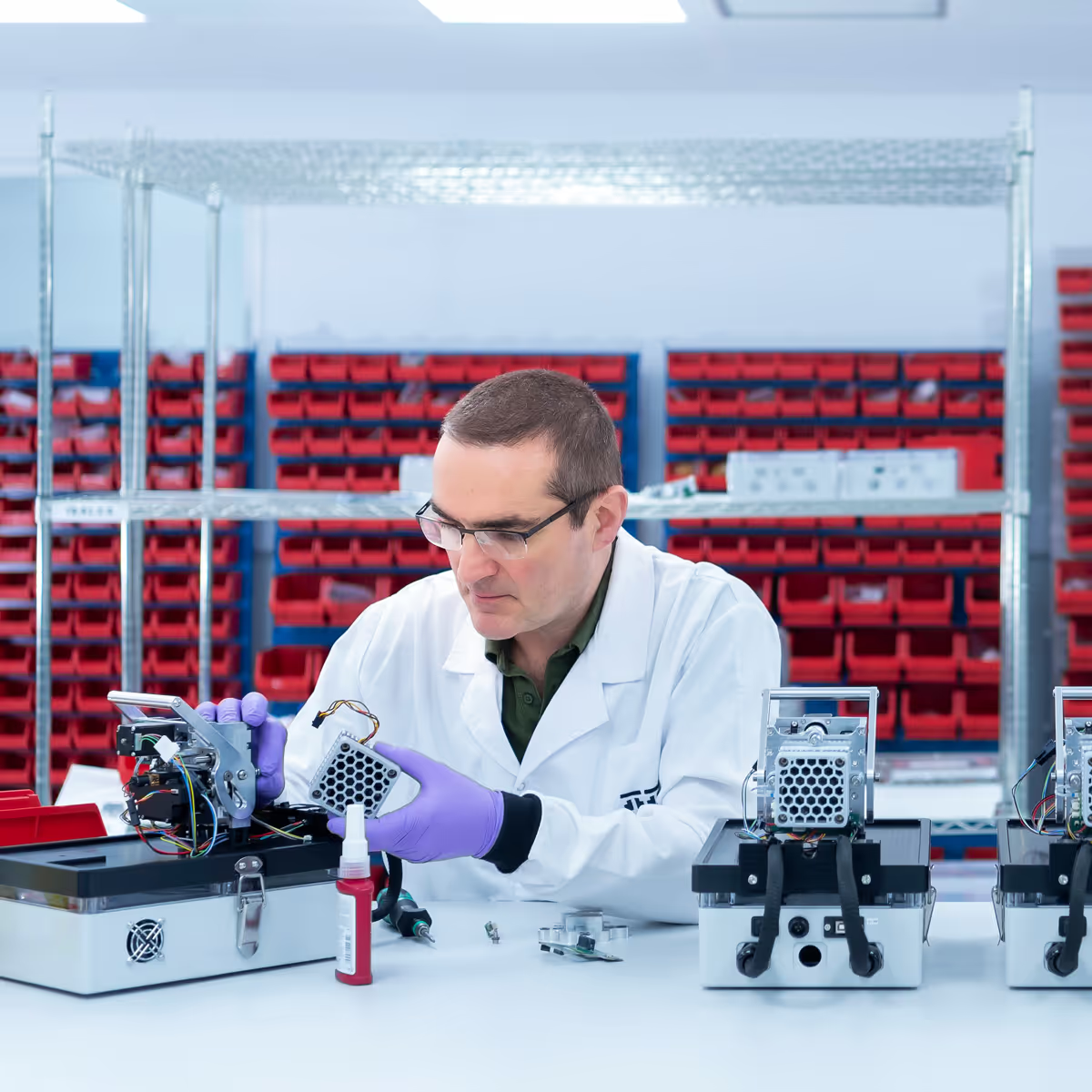
Why MedTech teams bring their toughest R&D challenges to TTP
Some of our most challenging medical device development work takes place behind the scenes, helping clients solve scientific and engineering problems that are often commercially sensitive. MedTech companies come to TTP when they need to explore unfamiliar technologies, overcome difficult technical barriers or develop solutions that don't yet exist.
- Scientific depth and inventive problem-solving: Bringing together scientists and engineers to investigate fundamental technical questions, apply first-principles thinking and develop novel solutions where established approaches fall short.
- Expertise across complex technologies: Combining capabilities in physics, chemistry, biology, sensing, electronics, mechanics and software to solve problems that span multiple disciplines, with a system-level understanding of how everything works together.
- The right team for your challenge: Hand-picking specialists from across TTP to work alongside your R&D team, whether you need focused technical expertise, an early feasibility study or support for a substantial development programme.
- Independent, commercially informed development: Providing factory-agnostic and objective technical advice without being tied to a particular manufacturing solution, while drawing on extensive experience taking medical technologies from early concepts towards clinical and commercial use. We are 100% employee-owned, so our recommendations are based on what is right for the product, programme and commercial goal.
Further reading: 7 technical guides on solving tough MedTech R&D challenges
Drawing on challenges our engineers and scientists have encountered across medical device development projects, these seven guides share practical insights on topics ranging from ultrasound systems to BLE connectivity. Explore whichever are relevant to your project. All seven are free to access, with no forms to fill in.
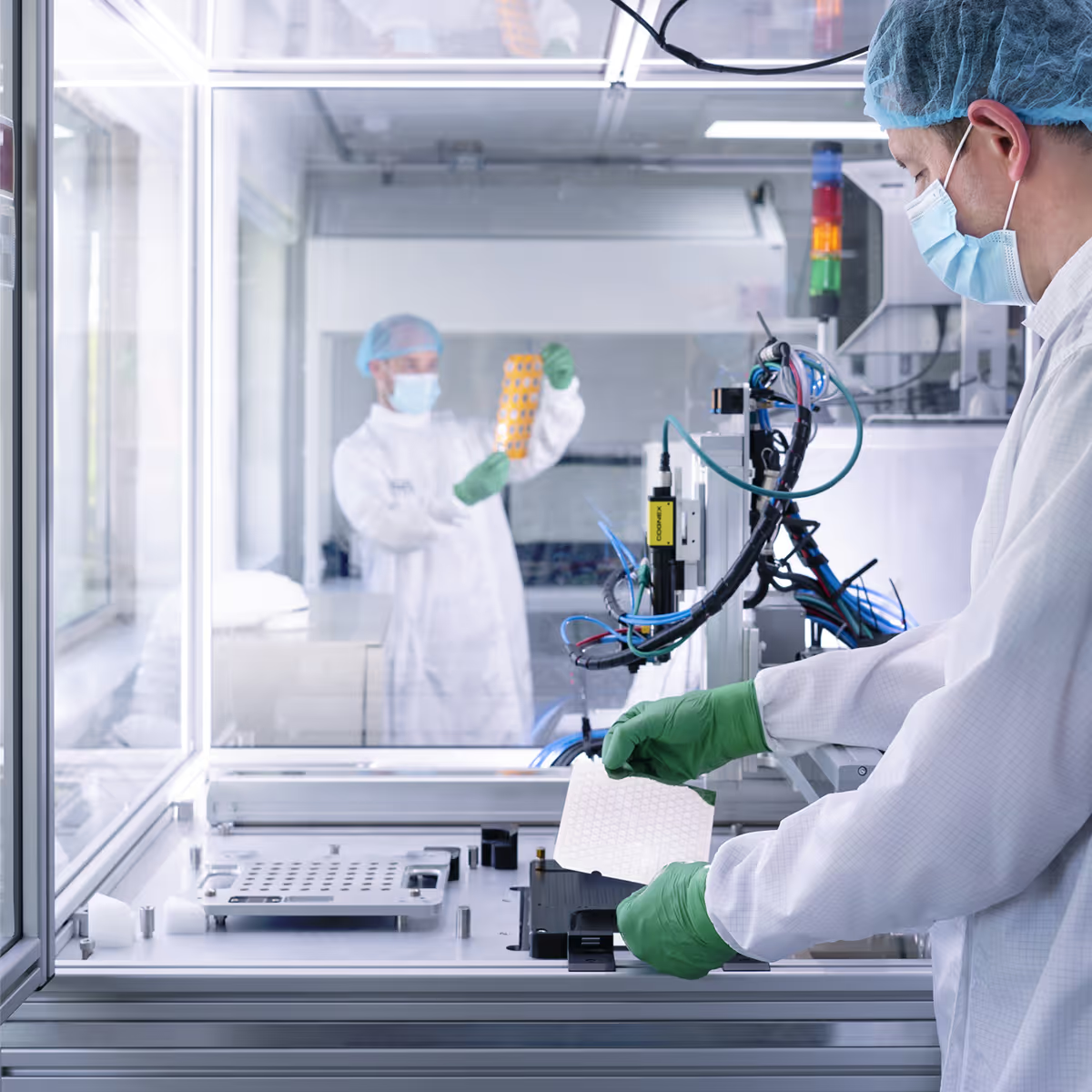
Medical device development expertise, backed by experience
Our medical device design and development capabilities are supported by decades of experience, specialist facilities and established processes for regulated development. Based in Cambridge, UK, the majority of our clients are US-based. We coordinate projects across time zones and locations, combining regular, structured communication with face-to-face meetings at key stages to keep projects moving and teams aligned.
- 38+ years of medical device design and development experience
- 300+ specialists spanning science, engineering, software and human factors
- $2bn+ in client revenue generated by medical devices developed with TTP's involvement
- ISO 13485-certified development and manufacturing processes
- 1,100m² of dedicated manufacturing facilities, including cleanrooms, microfabrication and assembly
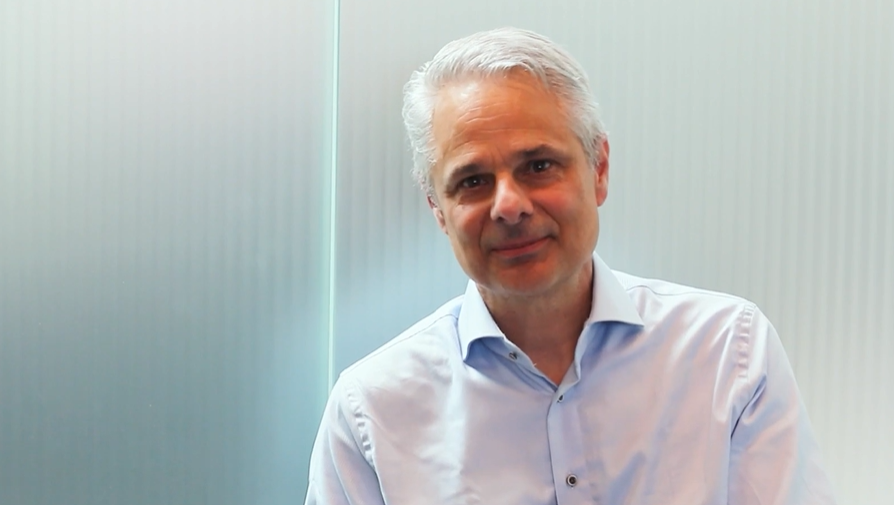
What's it like working with TTP?
Every medical device development project brings its own challenges, and the relationship with your development partner can make a real difference.
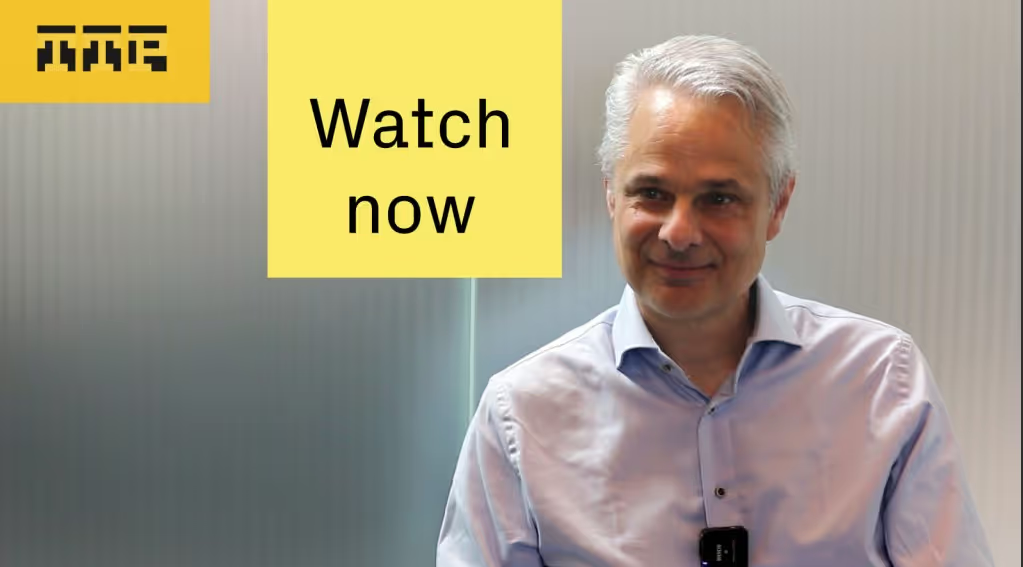
In this video, Paul Goode, CEO of Glucotrack, shares his experience of working with TTP on a novel implantable glucose monitoring device. He discusses how our teams worked together to investigate difficult technical questions, understand the trade-offs and make informed decisions about the next stages of development.
Watch the video to hear Paul's perspective on working with TTP.
(You can also read more about our work with Glucotrack.)
How we can help
Neuromodulation and neurotechnology
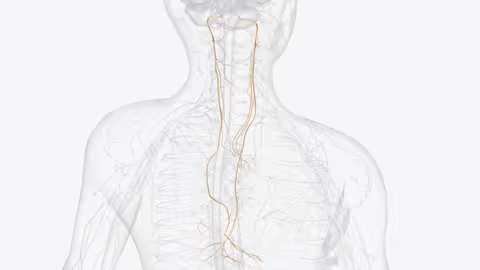
Developing brain-computer interfaces (BCIs), neural interfaces, neuromodulation systems, active implantable devices (AIMDs), with expertise spanning miniaturised electronics, sensing, wireless communications and software.
Biosensors
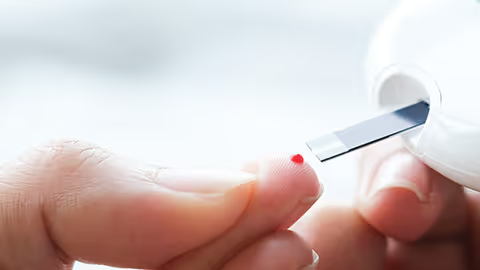
Developing wearable and implantable biosensors for continuous health monitoring, including glucose, hormone and emerging multi-analyte sensing applications, with expertise spanning a wide range of sensing technologies and their integration into complete medical devices.
Cardiovascular and neurovascular
Developing cardiovascular and neurovascular devices, including structural heart interventions, endovascular and catheter-based technologies, cardiac rhythm management, thrombectomy and ablation systems, with expertise in advanced imaging, navigation and integrated sensing.
Minimally invasive and advanced surgical systems and robotics
Developing advanced surgical devices, minimally invasive and endovascular technologies, surgical robotics and image-guided navigation systems, with expertise in smart surgical instruments, integrated sensing and electromechanical design.
Learn more about our surgical systems expertise
Ophthalmology
Developing ophthalmic surgical devices, diagnostic imaging systems, laser technologies and ocular drug delivery systems, with expertise in intraocular lens (IOL) delivery, glaucoma implants, retinal imaging and optical coherence tomography (OCT).
Drug delivery
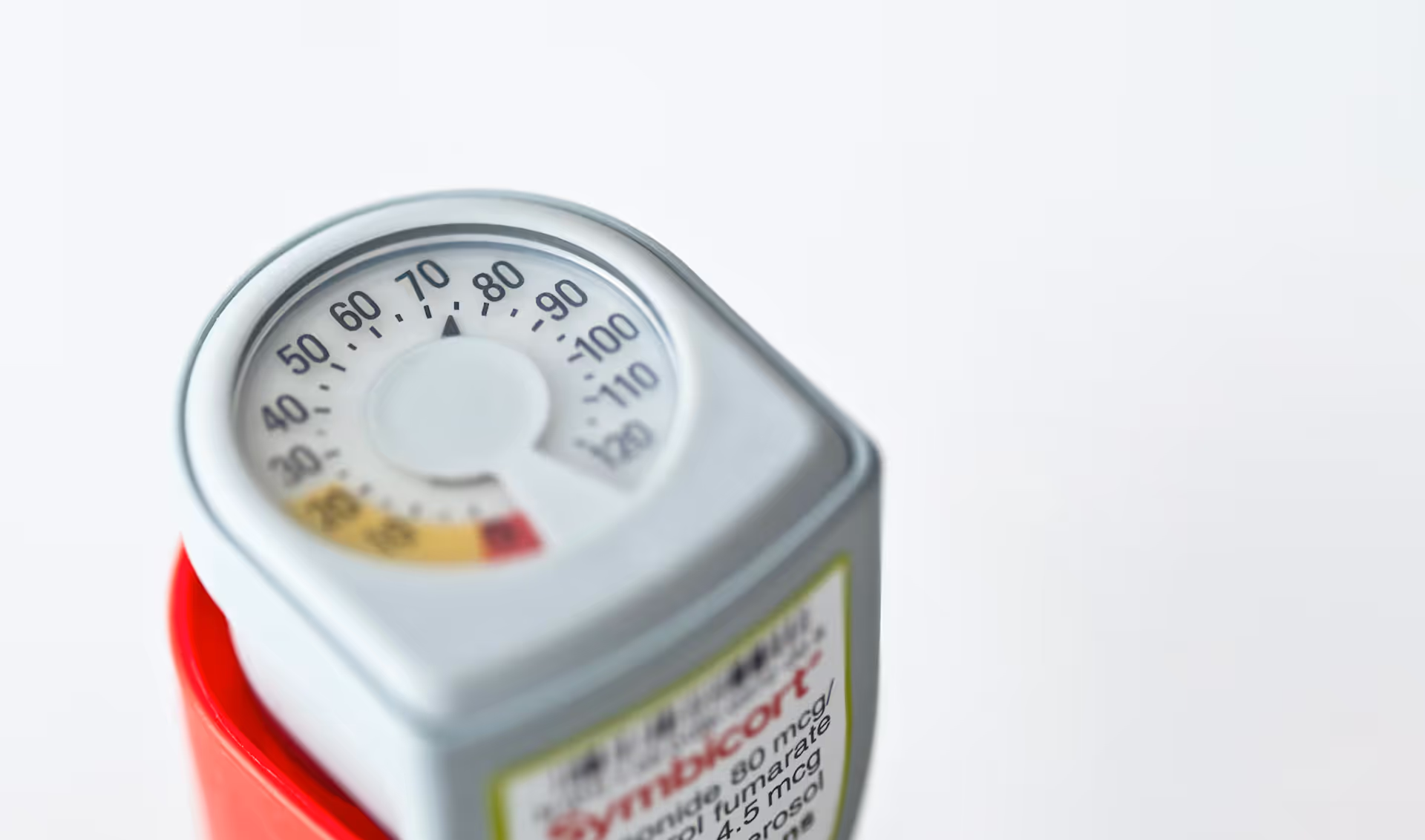
Developing advanced drug delivery devices and combination products, including autoinjectors, pen injectors, wearable injectors, microneedle systems and targeted drug delivery technologies, including intraocular and intravitreal delivery, with expertise in complex formulations, biologics and sustained-release therapies.
Medical imaging and ultrasound systems development
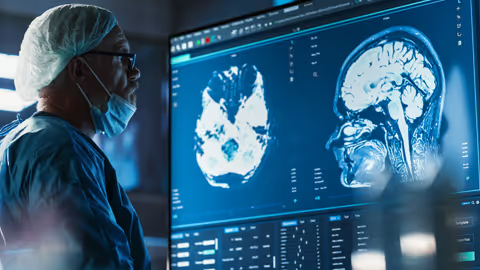
Developing advanced medical imaging systems and ultrasound-enabled devices, with expertise in ultrasound transducer design, software-defined ultrasound, MEMS technologies, signal processing and the integration of imaging into minimally invasive and image-guided interventions.
In vitro diagnostics
Developing point-of-care and distributed diagnostic systems, including molecular diagnostics, immunoassays and clinical chemistry, with expertise in assay development, microfluidics, consumable cartridge design, detection technologies and integrated diagnostic instruments.
Learn more about our diagnostics expertise
Speak to one of our experts

Catherine Wyman

Catherine leads TTP’s Advanced Surgical team. With a strong background in mechanical engineering and project leadership, she excels at guiding multidisciplinary teams through complex development challenges. Having worked across drug delivery, eyecare and surgical systems, Catherine is always keen to explore opportunities for TTP to develop new products that can change markets and improve patients’ lives.

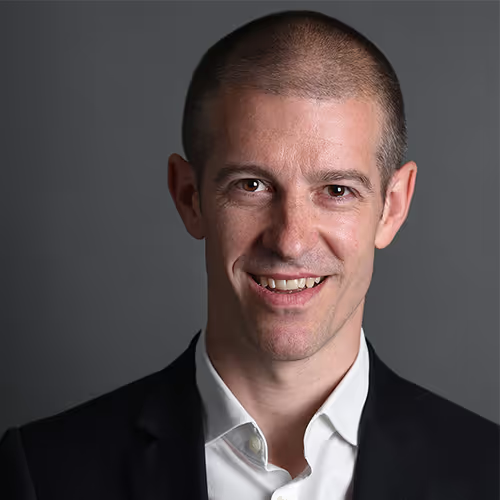
Chris Dawson
Chris Dawson leads the Wearables and Implantables team at TTP, bringing deep experience in taking technologies from proof of concept through to scaled production. Holding a PhD in engineering from Brunel University, he collaborates with ambitious clients to develop and commercialise innovative sensing technologies across a wide range of real-time clinical sensing applications, including continuous glucose monitoring (CGM).
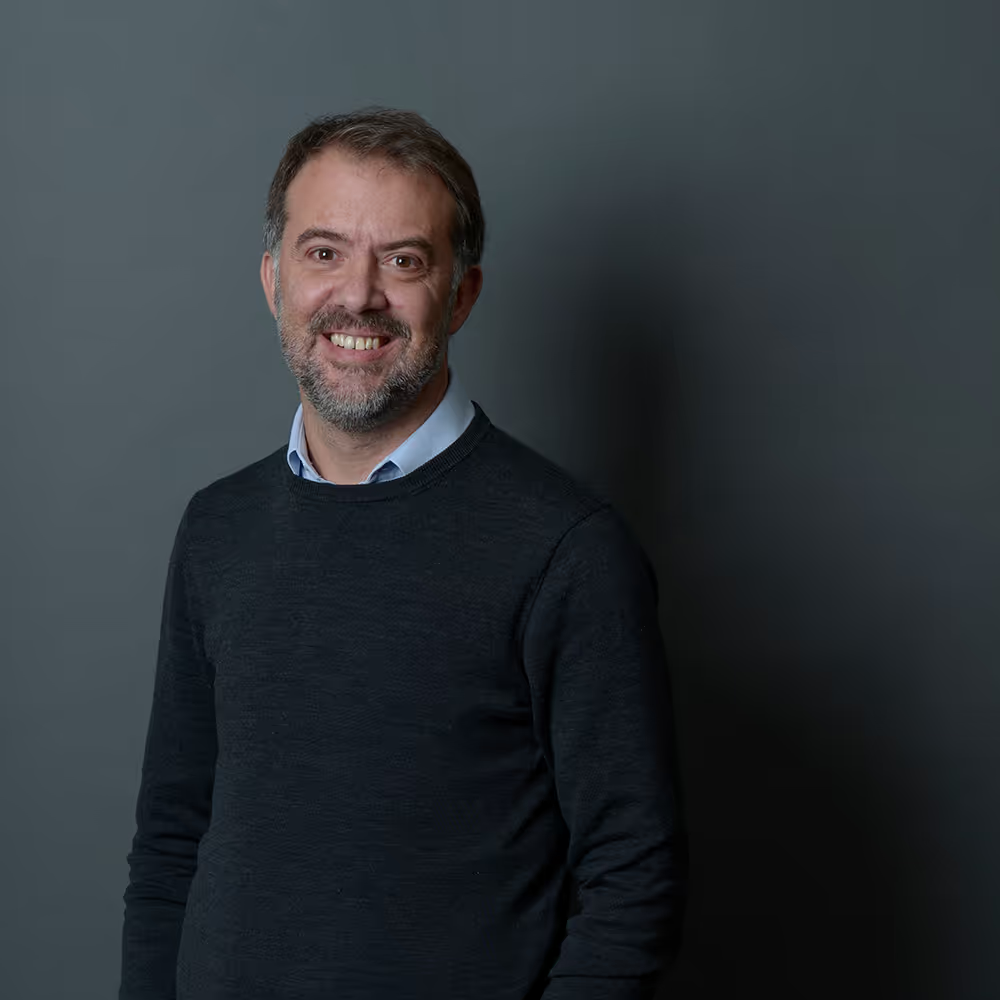
Will Cramer
Will Cramer leads TTP Manufacturing, delivering low to medium volume production of consumables, devices, and instruments to ISO13485 standards. A mechanical engineer with over 25 years’ experience across medical, life science, consumer, and industrial markets, he previously served as VP Engineering and Production at a TTP spin-out. Will holds a master’s in engineering from Cambridge University.

Justin Buckland
Justin is the technical lead for multiphysics analysis and sensor development at TTP. He holds a PhD in Surface Physics from the University of Cambridge and has played a pivotal role in the development of a wide range of sensing technologies including microfluidic, electrochemical, acoustic and piezoelectric.
Meet some of the team
Catherine Wyman
Chris Dawson
Will Cramer
Justin Buckland








Medical device manufacturing at TTP
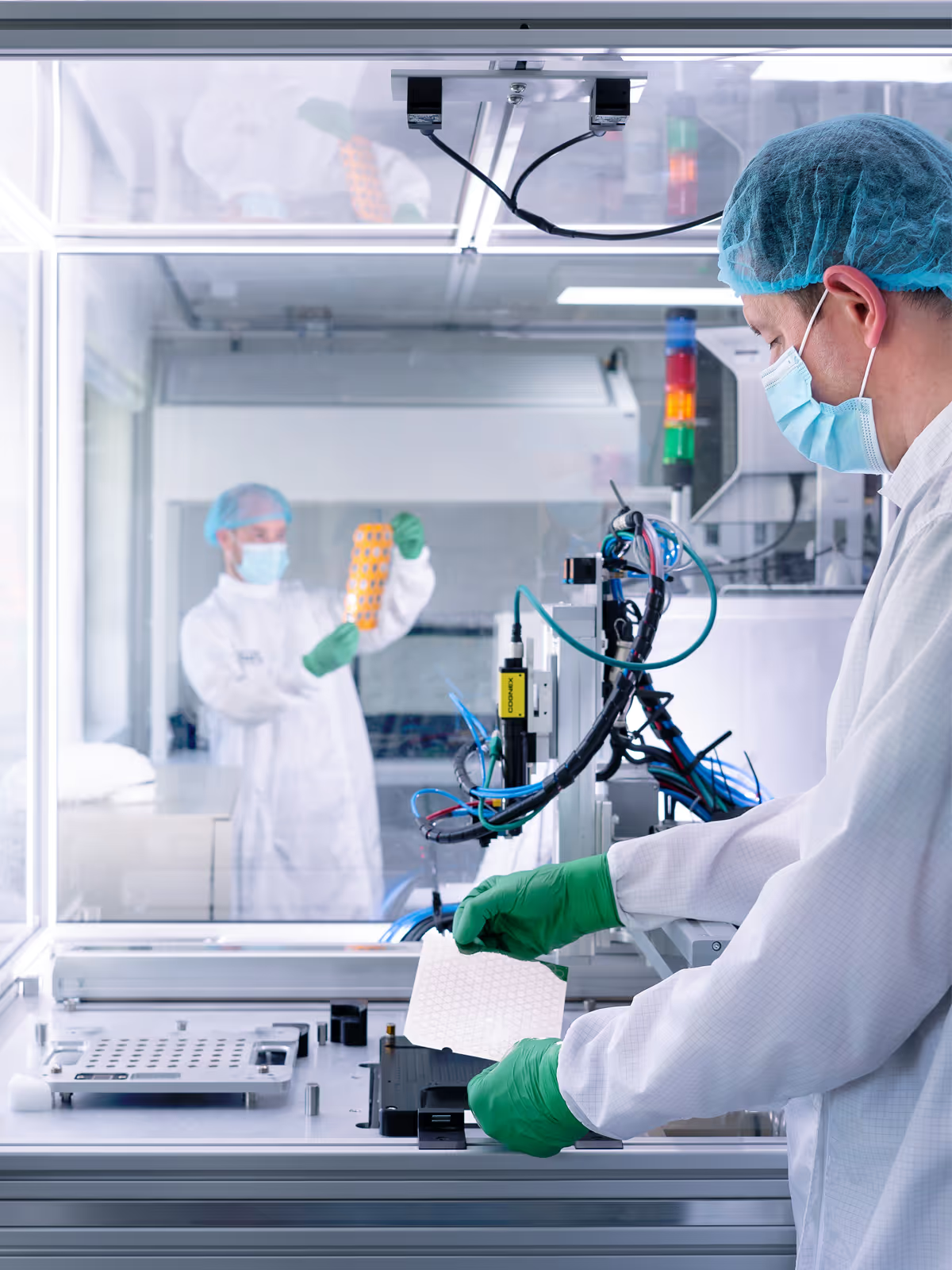
The hardest part of manufacturing isn’t volume, but the transition from design into regulated production. TTP bridges that gap by helping you develop the device and the manufacturing process in parallel, supporting agile clinical and early production builds. With no minimum volumes, no CMO lock-in, and no process IP constraints, you retain control of your product and supply chain.
Software capability at TTP
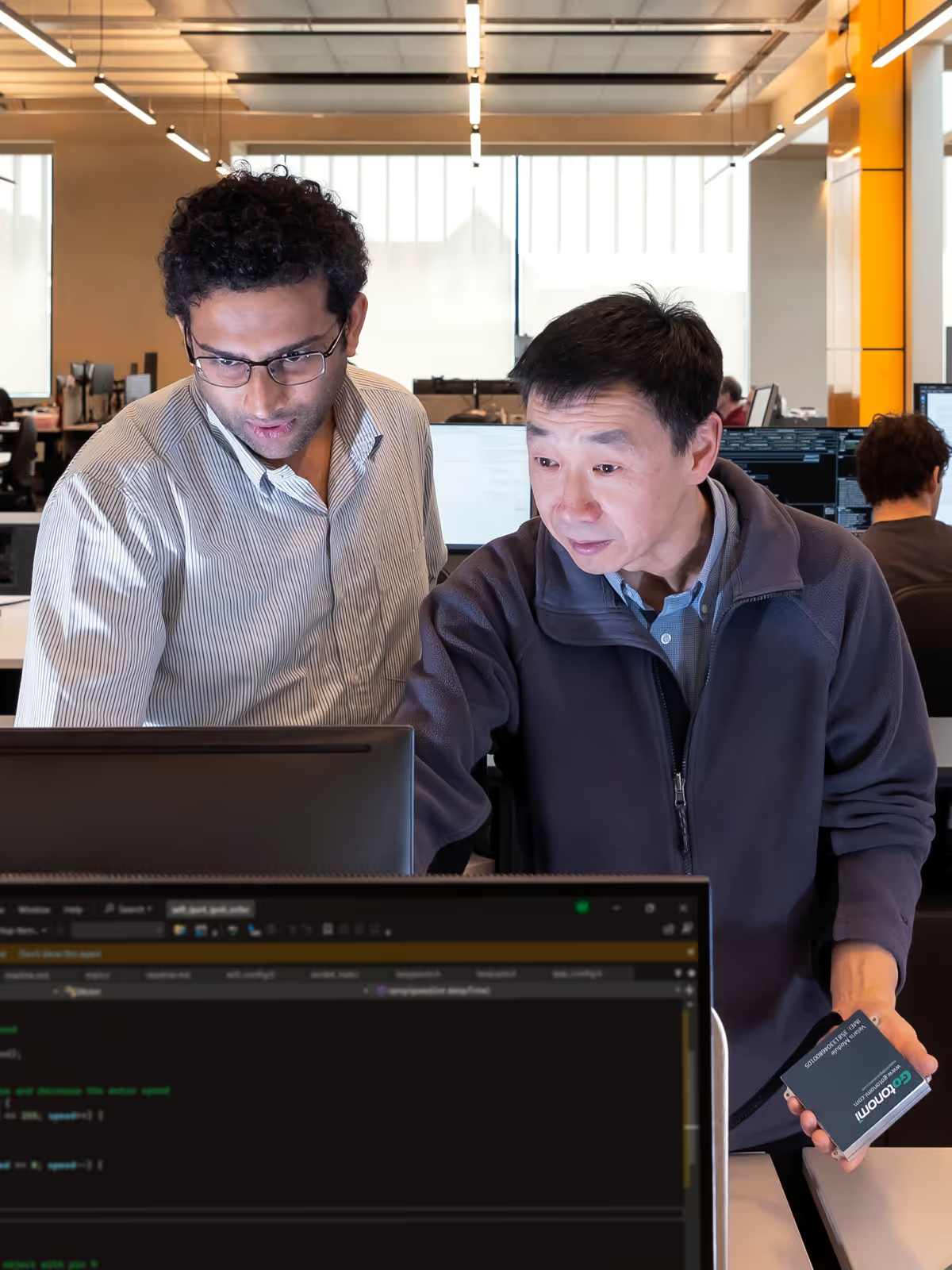
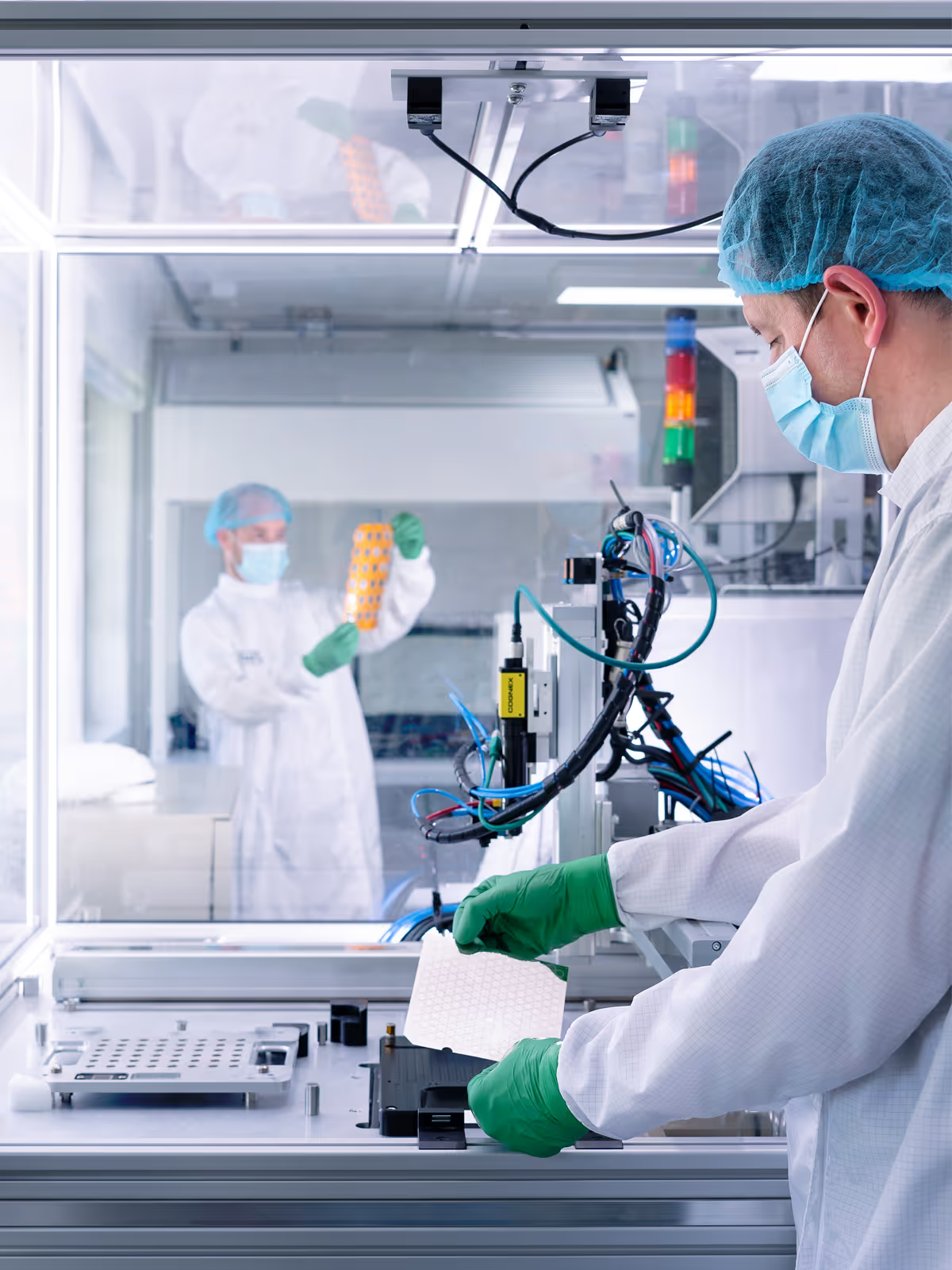
Engages in all stages of software and product development, our software capability at TTP covers the full spectrum–from in-depth analysis and system architecture, to prototype design, implementation and development.
Frequently asked Questions
You should engage a medical device design consultancy as early as possible, particularly when defining system architecture, technical feasibility and key design decisions. Early involvement helps identify and retire risks before they escalate, reducing costly redesign and improving confidence as development progresses.
TTP helps medical technology and pharma companies turn difficult ideas into technologies that can work in the real world - whether the challenge is finding a way forward or moving quickly from an established direction. We combine deep MedTech experience with scientific, engineering and commercialisation expertise to reduce uncertainty, minimise rework and help clients move faster - from early opportunity discovery and concept development through to manufacturing scale-up and transfer to high-volume production.
- When the answer isn’t obvious
We are at our best when the concept is unclear, requirements are changing or the route forward still needs to be worked out. Our scientists and engineers bring deep specialist knowledge, while also challenging assumptions, exploring unfamiliar territory and finding a practical way forward.
We look beyond individual components to understand how the whole system needs to work together - including the product, user, software, manufacturing route, regulatory requirements and commercial objectives.
- Big enough to tackle large and complex challenges, small enough to be agile and responsive
TTP can bring together large, multidisciplinary teams when a challenge demands it, while staying flexible as the programme develops. Our science, engineering, software, human factors, laboratory and manufacturing specialists work together on one campus, as one team around your challenge.
That means fewer handoffs, quicker decisions and the ability to bring in the right expertise when it is needed, without losing the focus and responsiveness of a smaller team.
- Direct access to the people doing the work
Our flat, collaborative structure means you work directly with the technical specialists solving your challenge. They stay involved throughout the programme, helping you make decisions faster, respond effectively as requirements and priorities evolve, and maintain an open technical dialogue from early thinking through to delivery.
- Independent advice, with a focus on practical outcomes
We are not tied to a particular technology, factory or contract manufacturer, so our recommendations are based on what is right for the product, programme and commercial goal.
Our ISO 13485 quality system and extensive on-site labs, extensive small-batch manufacturing and cleanroom facilities mean we can take ideas beyond recommendations and prototypes. We develop the product and manufacturing process together, helping to reduce risk and make the transition to commercial production smoother.
We have also commercialised technology through our own ventures, giving us practical experience of the decisions involved in taking complex products from concept towards market.
- Employee-owned and focused on the long term
As a 100% employee-owned business, TTP is built around the people delivering the work. This supports technical independence, continuity and a long-term focus on what is right for the client, the programme and the outcomes we are working to achieve.
We support both. TTP can act as an end-to-end product development partner or provide targeted support at specific stages such as feasibility, system design, human factors, verification or manufacturing readiness.
We support a wide range of devices and systems, including (but not limited to) wearable and implantable systems, minimally invasive surgical and robotics, navigation and imaging tools, drug delivery and injection devices, ophthalmic systems and diagnostic platforms. Our experience spans multiple MedTech domains, allowing us to tackle multidisciplinary challenges.
We work with ambitious, well-funded companies across the healthcare landscape, from venture-backed start-ups, scale-ups and biotechs to established global MedTech and pharma leaders developing breakthrough technologies.
Whether expanding established product lines or creating something entirely new, our clients usually share a need to solve complex challenges and turn bold ideas into commercial outcomes.
Every project is shaped around the specific challenge and aligned with your own ways of working, governance and decision-making processes. We usually start by agreeing the objectives, scope, risks and key decision points. From there, we work in clear phases, with regular reviews so the project can adapt as understanding develops.
We often work as an extension of our clients’ teams, providing hands-on technical leadership and maintaining continuity throughout development. This avoids handover friction and supports faster, more aligned decision-making.
We reduce risk by identifying the biggest unknowns early,when there is still flexibility to test assumptions, fail fast and pivot ifneeded. This helps teams make better decisions before significant time andinvestment are committed.
For medical device projects, our approach is grounded in ISO13485 design controls, good engineering practice and effective risk management.Where relevant, we work with the expectations of key standards such as ISO14971 for risk management, IEC 60601 for electrical medical equipment, IEC62304 for medical device software and IEC 62366 for usability engineering.Combined with a systems view of the full product, including technicalperformance, software, human factors, quality, regulatory expectations and manufacturingroute. This helps risks be identified and resolved before they become costlylate-stage problems.
Read more about our approach to navigating risk.
We do not provide standalone regulatory consultancy, however, we design and develop medical devices with the relevant regulatory expectations in mind, helping clients build the evidence, traceability and development documentation needed to support future submissions. TTP is also ISO 13485 certified, with certification covering medical device and IVD design, development and contract manufacture, including implantable devices and active implants.
By embedding the right level of regulatory structure early, we help teams gain long-term development efficiency and reduce risk. From concept feasibility through to verification and transfer to manufacture, we design with compliance in mind. Our multidisciplinary teams combine deep technical expertise with strong regulatory fluency, embedding safety and performance considerations at every stage. The result is a more robust product, fewer late-stage surprises, and a clearer, faster route to regulatory submission, turning compliance from a requirement into a genuine development advantage. This regulatory fluency is embedded at every level: within individuals, project teams, and our organisational systems.
Read more about our approach to regulatory compliance
Yes, depending on volumes. TTP has facilities that support prototype, low-volume and selected mid-volume builds, helping bridge the gap between development and transfer to a large-scale manufacturing partner. We do not provide bulk manufacturing, but we can produce quantities suited to activities such as verification, clinical trials or pilot launch — for example, hundreds of instruments/ devices or thousands of consumables, depending on the product and programme needs.
This capability helps clients move beyond prototypes and build consistent, reliable devices while the manufacturing process is still being refined. By developing product and process understanding together, we can make later transfer to a CMO of your choice smoother, better informed and lower risk. TTP is not, however, the legal manufacturer of products.
Read more about our medical device manufacturing capabilities
We consider usability from the outset, not as a final check once the device has already been designed. Our dedicated human factors team works alongside engineers and software specialists to understand users, environments, workflows and use-related risks early in development.
This can include user research, behavioural insight, task analysis, prototyping and formative usability testing, with activities tailored to the stage and needs of the project. By designing around real clinical and home-use contexts, we help create devices that are safer, more intuitive and more likely to be adopted in practice.
Read more about our approach to human-centred design and human factors engineering.
Yes. TTP develops software for regulated medical devices, including Class A, B and C devices under IEC 62304. Our dedicated software team works closely with systems, engineering, human factors and quality specialists, so software is developed as part of the full product architecture, not treated as a separate workstream.
We support embedded software, firmware, connected device software and device-to-cloud ecosystems, building in security, reliability, documentation and traceability from the start. For connected products, we also consider cybersecurity, update pathways, configuration control, SBOMs and long-term lifecycle management, helping software evolve safely within a regulated medical device environment.
Read more about our in-house software team.
We have established product development approaches, procedures and quality processes, but we do not force every project through a rigid, one-size-fits-all stage-gate model. Instead, we adapt the development structure to the client, the technology, the level of risk and the decisions that need to be made.
Where clients already have their own stage-gate process or QMS, we can align with it and provide the documentation, reviews and decision points needed to support it. Where clients need more guidance, we can help define an appropriate development roadmap, breaking the work into clear stages that reduce risk, support investment decisions and build confidence before moving to the next phase.
This means projects remain structured and well controlled, while still being flexible enough to respond as the technology, requirements or commercial priorities evolve.
TTP is often the right fit when the technology is complex, multidisciplinary or novel, especially where it needs to work reliably in a heavily regulated environment.
We help clients bring together science, engineering, user needs, commercial goals and regulatory expectations, whether the challenge is defining the right route forward, integrating complex systems, accelerating development or resolving difficult technical trade-offs.
Complexity is not the only reason to involve us. Clients also come to us when they need senior technical judgement, fast mobilisation or the right specialist expertise brought together quickly to keep a critical programme moving.
We are less likely to be the right fit for routine engineering capacity or simple execution-only tasks where the solution, requirements and route to delivery are already fully defined.
A medical device design consultancy provides specialist engineering, scientific and human factors expertise to support the design and development of medical devices. This can include everything from early-stage feasibility and system architecture through to verification, regulatory support and manufacturing readiness. The role of a consultancy is to help teams navigate complex technical and commercial decisions, accelerating development while reducing risk.
We do not have a rigid engagement process, but projects typically start with a non-confidential discussion to understand the opportunity, challenge and potential fit. From there, we can put a confidentiality agreement in place, explore the brief in more detail, involve the right technical people and start shaping the scope together.
This usually develops through outline discussions, team introductions and iterations towards a formal proposal. Once the terms of business and statement of work are agreed, we move into project kick-off. Because we have a broad internal team and a flexible way of working, we can often move quickly, assemble the right expertise and adapt the process around your development goals.
That depends on how you want to work. We can operate as an extension of your team, working closely with your engineers and stakeholders, or take on a more independent role with agreed review points and decision gates.
We work with clients around the world, with many based in the US, UK and Europe. Our project model is designed to support collaboration across geographies and time zones, using structured communication, regular project touchpoints and in-person meetings or workshops at client or TTP sites where useful.
We usually work with clients around the world and are used to running international projects across multiple time zones, cultures and working styles. Because project teams are often spread across different locations, we agree communication rhythms, meeting times and decision points upfront, so collaboration is clear and progress is maintained.
We also believe face-to-face contact is important, particularly at key moments such as early scoping, workshops, major reviews or build phases. Where useful, we will travel to meet your team, and clients are always welcome to visit us.
In many cases, time differences can be an advantage, allowing work to progress across extended hours. With four decades of global client experience, a multinational team and a high level of repeat business, we have a proven model for making international collaboration work well.
TTP is ISO 13485 certified, with certification covering medical device and IVD design, development and contract manufacture, including implantable devices and active implants.
Our approach to quality is tailored to the stage, risk and regulatory needs of each project, and is flexible enough to integrate with a client’s own systems.
Because our development and manufacturing teams work closely together, quality, documentation, traceability and process understanding can be built in as the product evolves. This supports smooth transfer of documentation, evidence and decisions throughout the project, and helps clients move from technology demonstrator to clinical trial manufacture, early production and, where needed, transfer to high-volume manufacturing.
We agree a communication rhythm at the start of the project, usually including regular update calls, written summaries and clear next actions. We also give visibility of progress, spend and any decisions that could affect budget, raising risks early rather than waiting until the budget is exhausted.
We also believe face-to-face contact is important, particularly at key moments such as early scoping, workshops, major reviews or build phases. Where useful, we travel to meet your team, and clients are always welcome to visit us.
We hand-pick the team around the needs of the project, factoring in how those needs are likely to evolve. With more than 300 engineers, scientists and designers under one roof to draw from, we can bring together the right mix of market knowledge, technical expertise and delivery experience.
Depending on the challenge, this can include specialists in areas such as fluidics, sensing, optics, electronics, software, modelling, materials, mechanics, robotics, human factors, industrial design and design for manufacture.
Most teams are multidisciplinary, with specialists brought in where needed, and your initial contact will usually stay involved as the project progresses.
Each project is led by an experienced technical project leader who is actively involved in the work, not by a separate account manager. This gives clients direct access to the people making the technical decisions, while maintaining continuity throughout the programme.
Our teams also have access to extensive on-site facilities, including dedicated manufacturing space, cleanrooms, microfabrication, assembly areas and specialist labs. This means we can move quickly from concept to testing and build, while drawing on trusted suppliers and partners where additional capability or scale is needed.
Our consultancy work is usually delivered on a fee-for-service basis, with the scope, budget and commercial terms agreed before work begins.
For the complex development projects we typically undertake, success depends on close collaboration between our team and yours. These programmes usually involve technical uncertainty, complex trade-offs and important decisions about risk, cost, performance and route to market. A clear fee-for-service model means we can commit the right team, maintain momentum and make objective recommendations based on what is best for the product and programme - not on future equity value, fundraising outcomes or ownership incentives.
As an employee-owned business, TTP is built around long-term client relationships, shared accountability and a commitment to the quality of our work. In rare circumstances, we can look at alternative funding models.
Our clients work with us because they gain access to decades of accumulated expertise, proven technologies and multidisciplinary know-how.
We recognise that IP is often central to our clients’ commercial strategy, so we agree IP terms at the outset of every project that gives you the rights you need to commercialise your products while making the best use of the capabilities that both organisations bring to the engagement.
In many client-funded programmes, clients own the project outputs within their field of application, with arrangements tailored to reflect background IP, enabling technologies and new developments.
From day one, ownership, licensing and confidentiality are clearly defined and robustly managed, giving both parties the confidence to focus on creating successful products.
Our aim is to make the IP position clear, so you understand how ownership, access rights and use of project outputs will be handled before work begins.